
By Caroline Sirolly | @carolinesirolly
In the mental health world, your team consists of highly skilled professionals who lead you towards recovery and are largely responsible for your success.
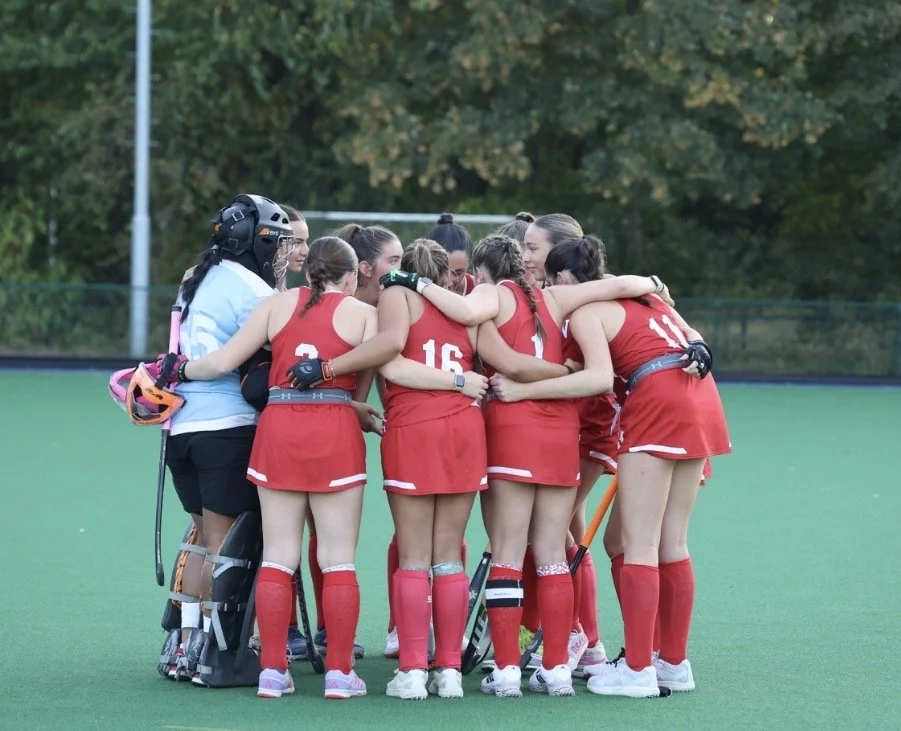
But in my opinion, the team that saved me was the people who wore the same jerseys as me and shared the same locker room as me.
My entire life, I have considered myself an athlete. I have played almost every sport imaginable: soccer, basketball, track, swimming, lacrosse, golf, tennis, dance, gymnastics, and, of course, field hockey.
My favorite part of those activities was never the sport itself but rather the people I was surrounded by. At my core, I am a competitive, driven, and ambitious person. I loved how sports brought all of those traits out in me every time I competed. It’s not to say I’m not an academic person, but school never brought out the same joy in me. I didn’t like being confined to a box or told what to do. I want to be challenged in a different way. I was always happiest when I was moving, competing, and surrounded by other people who wanted to be better just as badly as I did.
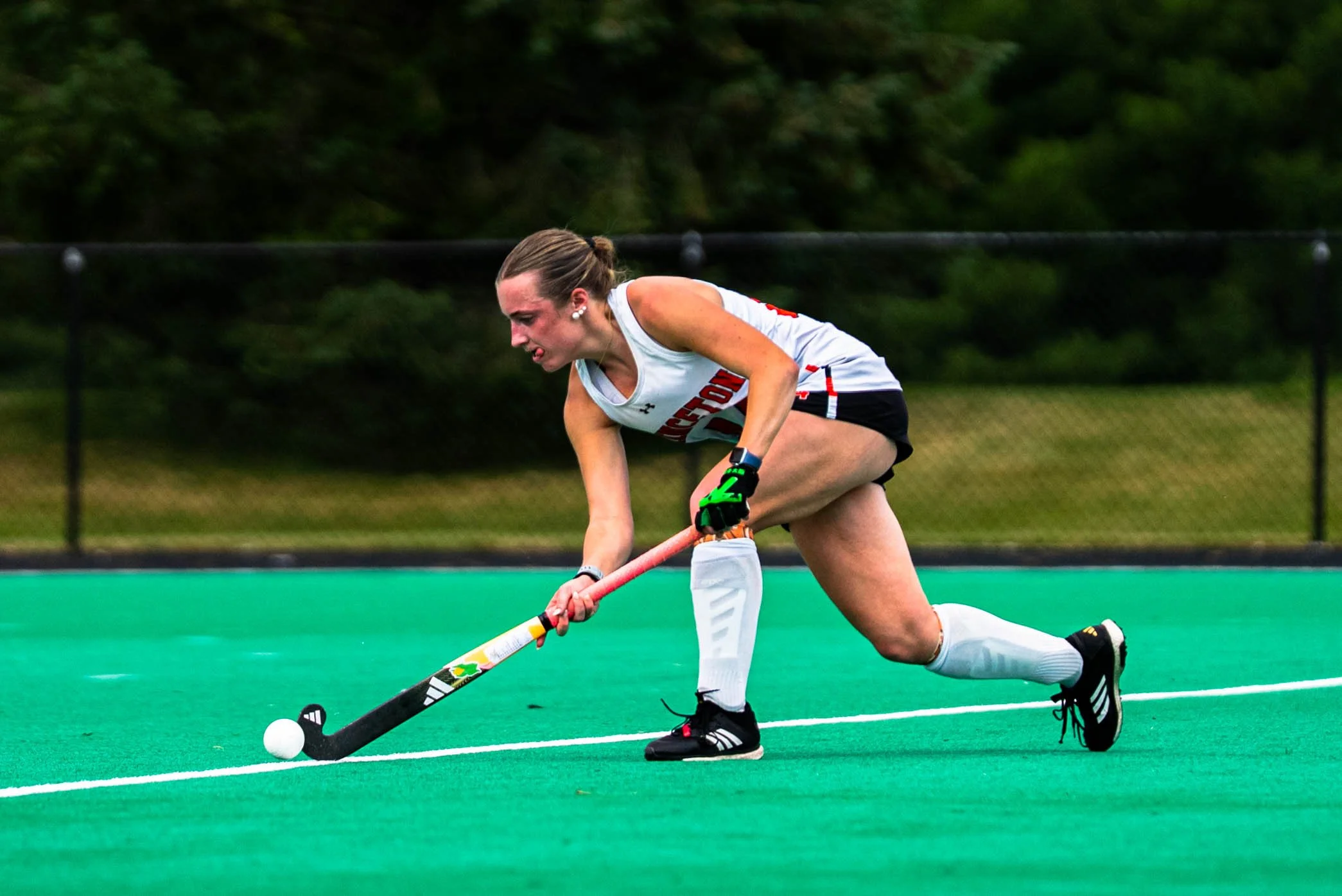
From my earliest years, adults would always describe me as the kid in the class, on the team, or at home that people could lean on. I was focused, organized, observant, and, as my family liked to call me, “the CEO.” I was very Type A. I liked having a plan. I liked knowing what came next. I liked being dependable. I took pride in being the person who could handle anything thrown her way. I loved being that person. It gave me a sense of purpose.
But those qualities that once made me a strong leader slowly became the things that made life feel impossible to control. As I got older and life became harder and less predictable, my Type A personality turned into rigidity. My ambition became perfectionism. My competitiveness turned inward. I was always much harder on myself than any coach or teacher ever was. I expected the most from myself and was terrified of falling short. I didn’t see failure as part of learning. It was something I felt I had to avoid.
From the outside, I looked like I had it together. I was the leader, the planner, the one who had a solution before anyone else had even identified the problem. But little did people know how exhausting it was to wear this mask every day. I rarely stopped to think about how much my identity relied on being everything for everyone else. I began to believe that being dependable meant being invulnerable, that being a leader meant having all the answers, and that asking for help was something I should be able to avoid.
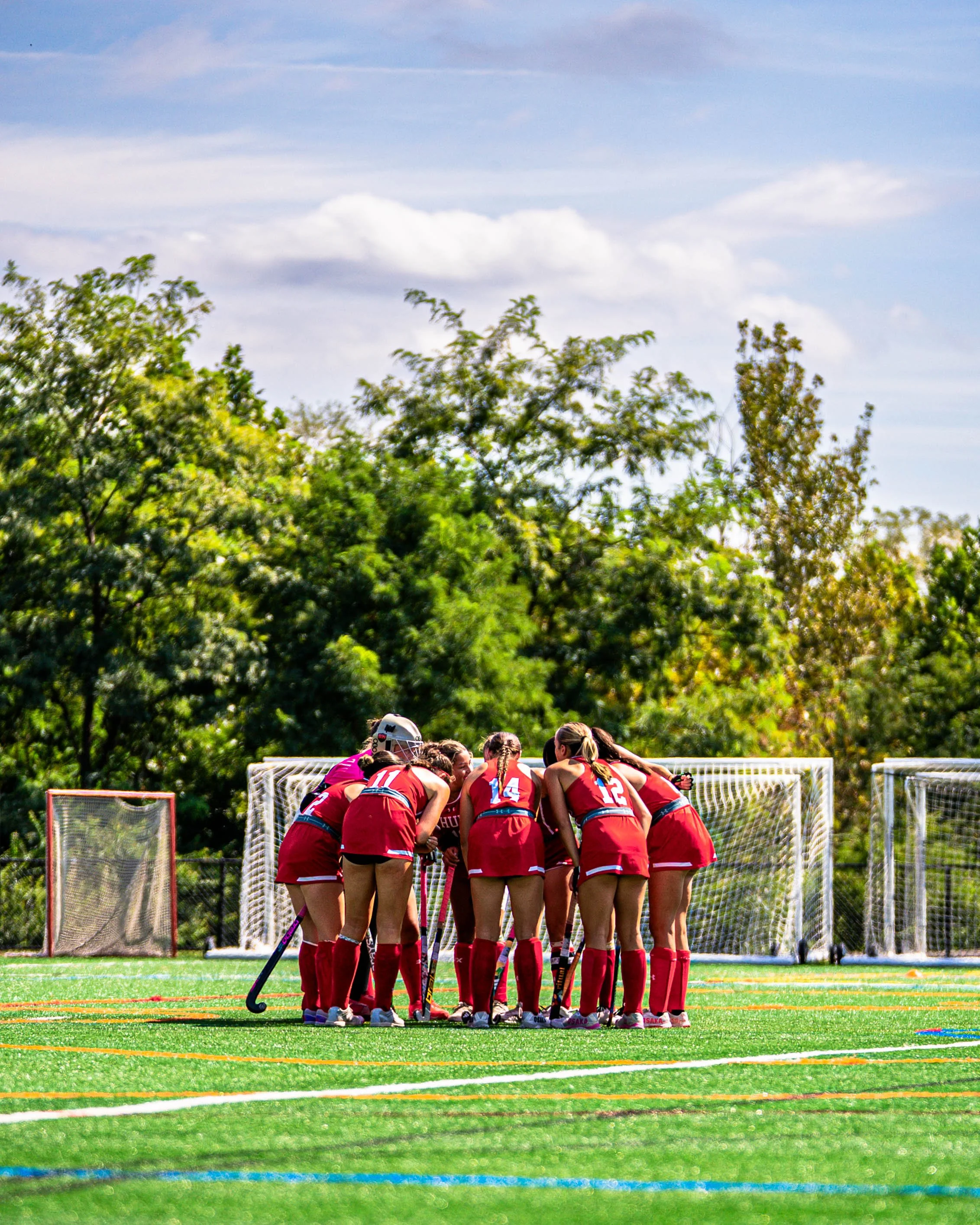
By the time middle school came around, I started struggling significantly with my mental health. It wasn’t long before other people noticed. I was short-tempered, reserved, and never quite settled. I would have a bunch of good days followed by what felt like never-ending bad months.
My parents tried to give me access to every tool, therapy, or treatment that I could possibly need, but I didn’t want it. I denied the help. I convinced myself that I could handle everything on my own. I wasn’t sure if I actually wanted to get better. I hated the idea of change.
The only thing that brought me joy was putting on the uniform and getting to play. The field was the only place where nothing else mattered. I had a job to do, and I knew exactly what was expected of me. Everyone knew how much I loved field hockey and tried to simulate aspects of the game into everyday life.
It wasn’t until sophomore year when I made a very hard decision to transfer and reclass that everything really changed. And no, I don’t mean things instantly got better. In fact, on paper, the results of that next year ended up being worse. But it was those hard months that changed everything.
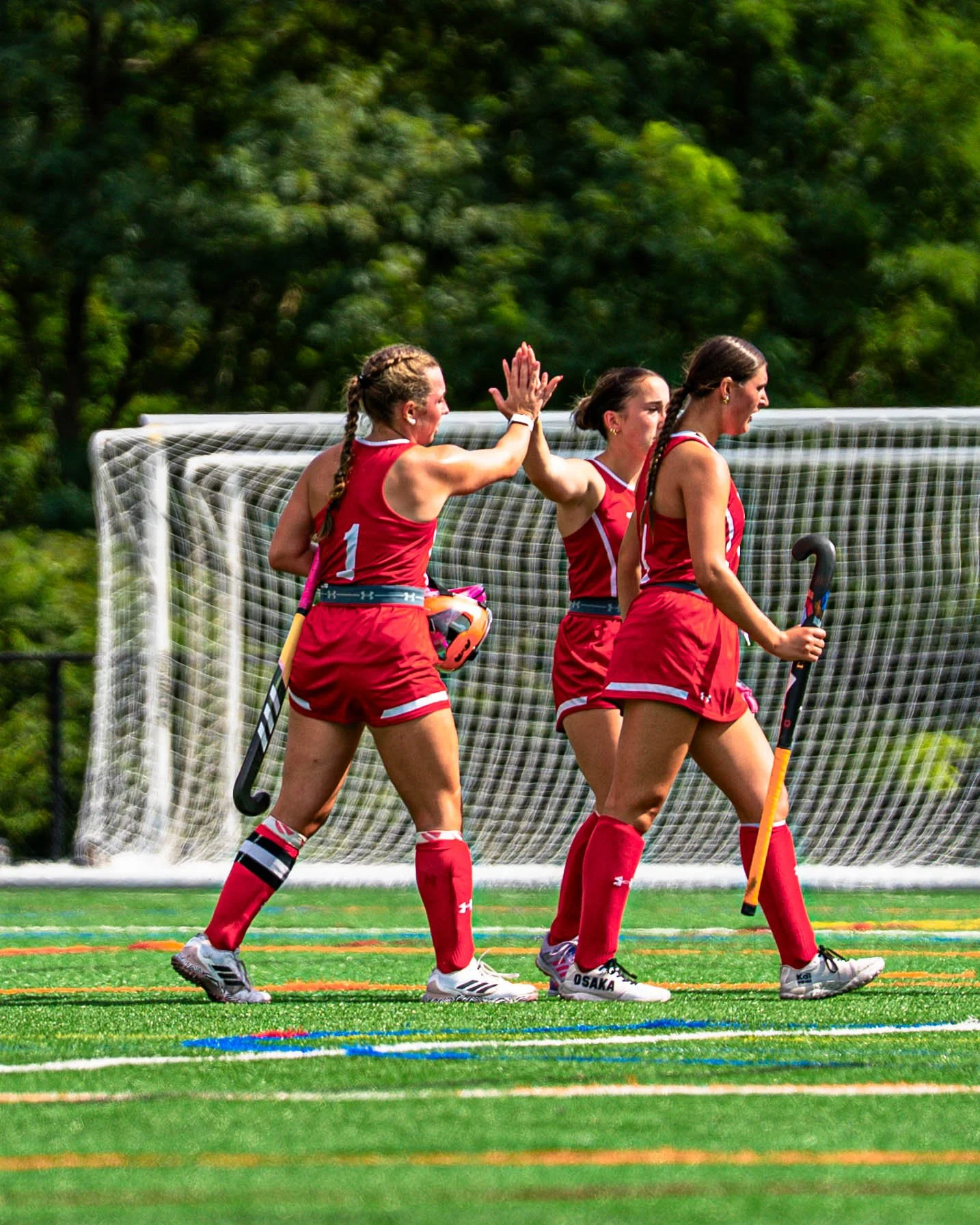
Being forced to walk away from field hockey, family, friends, teammates, and the life I had built around being an athlete to pursue treatment was the hardest thing I ever went through. For someone who had spent her entire life defining herself through sports, it felt like I was being asked to give up the one thing that made me feel like myself. But finally being treated for the eating disorder that had kept me from truly living was what changed it all. Those months away made me realize that I had to start fighting. I began to understand that I could not keep saying I wanted a future while simultaneously doing things that were preventing me from reaching it. If I ever wanted to play again, or graduate high school, or go to college, or be a nurse, there was only one way to get there - recovery.
For the first time in my life, I couldn’t solve a problem by working harder. I couldn’t run another sprint, spend another hour at the turf, or make another plan to get myself back on track. I had spent years believing that if I could just push myself a little harder or do something for someone else, I could fix anything. Recovery forced me to realize that without treating the root problems, I would keep living in circles.
Coming home and getting back to reality was definitely much more of an adjustment than I anticipated. I wasn’t magically cured, and I was in some ways more vulnerable. But my friends’ hugs and the smiles on everyone’s faces made every hard moment worth it. I still have every email and letter sent saved, and I’ll cherish those forever. Even while feeling so isolated from the world, hearing my friends’ voices on my 10-minute phone calls, receiving letters, looking at millions of pictures in my room and in my scrapbook, or Zooming with my coach, I still felt part of the team. Even though my role was different, I knew I had a spot to return to when I was ready.
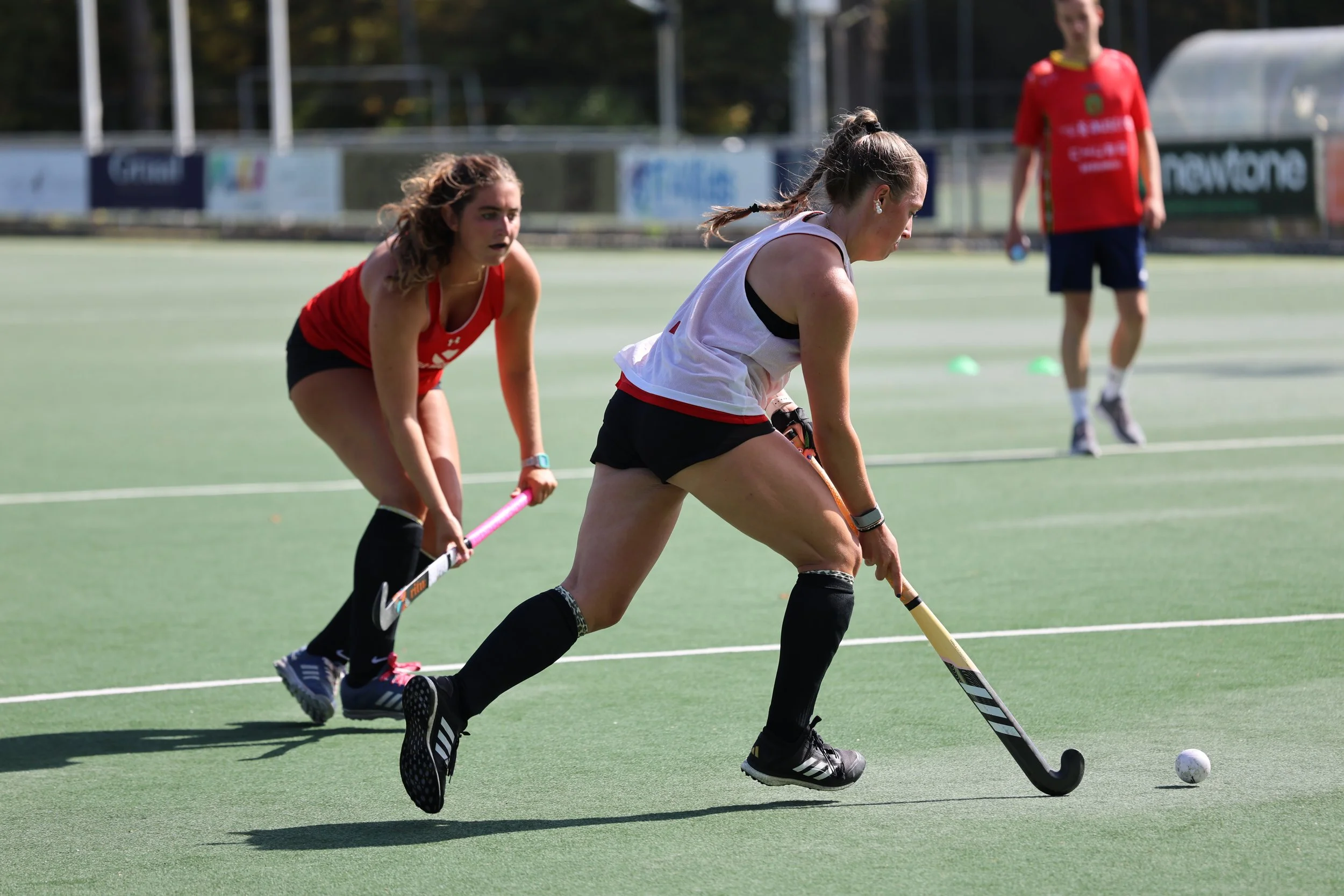
The following fall was definitely a challenge. I don’t think people often knew what I was going through because I was so guarded about my struggles, but they demonstrated time and time again that, just as I would do for them, they would drop anything and be there for me in a second if I needed it.
I knew I loved field hockey, but I needed to learn to love it in a way that still put myself first.
As I fought my way back, I began to realize that recovery wasn’t taking me away from the life I wanted. It was giving me the chance to figure out what I actually wanted that life to look like.
My recruiting process was much different than most athletes. For years, I had always been set on playing at the highest level and defining myself primarily as an athlete.
But in recovery, I learned that as much as I am an athlete, I’m also human. And for me, the best decision was to find a Division III school where I could be more than just a field hockey player. I am excited to pursue a career in nursing and plan on one day becoming a pediatric psych nurse and helping kids who are walking down the same path I once lived.
And while treatment, therapy, meal plans, and skills did save my life, the part that I truly believe helped me recover was finding my pack. I learned that no matter how badly other people want recovery for you, or how much they do to help you, none of it really matters if you don’t want it for yourself. And for years, at least five, I absolutely did not want it. I would say yes to the help but never actually lean in and accept it. I would go through the motions without actually letting anyone in. I hurt people I loved by continuing to repeat the same destructive patterns. I watched everyone around me try to help me get something I wasn’t ready to want.
Learning that I had to want it for myself was one of the hardest lessons I’ve had to learn. But I also learned that wanting recovery did not mean I had to do it alone.
I have to give a large amount of credit to my coaches over the years for seeing me as more than an illness. There were many months where I was barely able to practice and would be capped out at 20 minutes. And instead of replacing me with an athlete who was able to fully participate, they walked with me on the hard days. They called me when I needed an extra hand, supported me in ways I’ll never forget, and made sure I knew I had a group of girls around me that would do absolutely anything for me if they knew exactly what I was going through. They didn’t just teach me the game of field hockey, but rather the game of life.
Being wired differently than most, the people I have always connected most deeply with are the people wearing the same jerseys as me, running the same timed mile as me, sitting beside me on a bus at six in the morning, or driving to a game with me down pitch-black, snow-covered roads. My teammates never saw me as someone with so much going on. They saw me as a competitor, leader, and defender. We’ve won together, we’ve lost together, and we’ve been through just about everything collectively. And while I love field hockey more than anything, it’s the girls behind it that make every hard practice, or extra sprint, or water duty worth it.
There is something special about being part of a team. Even after a bad day or bad practice or a test that didn’t go your way, your teammates still expect you to show up. They don’t expect you to be perfect. They just expect you to be there.
Field hockey also taught me that being strong doesn’t always mean pushing through. Sometimes it means admitting you need help. Sometimes it means stepping off the field. Sometimes it means letting someone be there for you and actually accepting their help. Being on a team taught me that everyone has a role, and sometimes it's okay to let others take the lead. My teammates and coaches taught me what it means to show up for people, and eventually, how to show up for myself.
While my life is far from perfect, and I know that recovery is not linear and you have to keep doing the work, I am glad to now be able to say I can better manage the highs and lows, have regained a healthy relationship with food and exercise, have a better understanding of myself, and have a reason to keep moving forward. I know what I want to do with everything I have been through. I want to be for someone else what so many people were for me.
For years, I thought strength meant never needing help, always pushing through, and always having a plan. My teammates and coaches taught me something different. I didn't have to earn my place by being the strongest person in the room. I could have bad days, struggle, and need help without becoming any less of the person I had always been.
I am proof that comeback stories are real. But I have learned that fighting for yourself doesn't always mean doing everything on your own. Sometimes, it means letting the people who love you fight alongside you.
Recovery gave me more than the chance to return to the field. It gave me the chance to discover who I am beyond it. As I prepare for the next chapter of my life, I will carry with me the people who stood beside me when I couldn't see a way forward. I may have been the one who had to choose recovery, but I never had to find my way back alone.
The team that saves you is sometimes the one that reminds you that you were never just a player in the first place.