We Were Never Meant to Carry It Alone
By Olivia Papakyrikos | IG: @oliviapapakyrikos | Website: www.oliviapapakyrikos.com
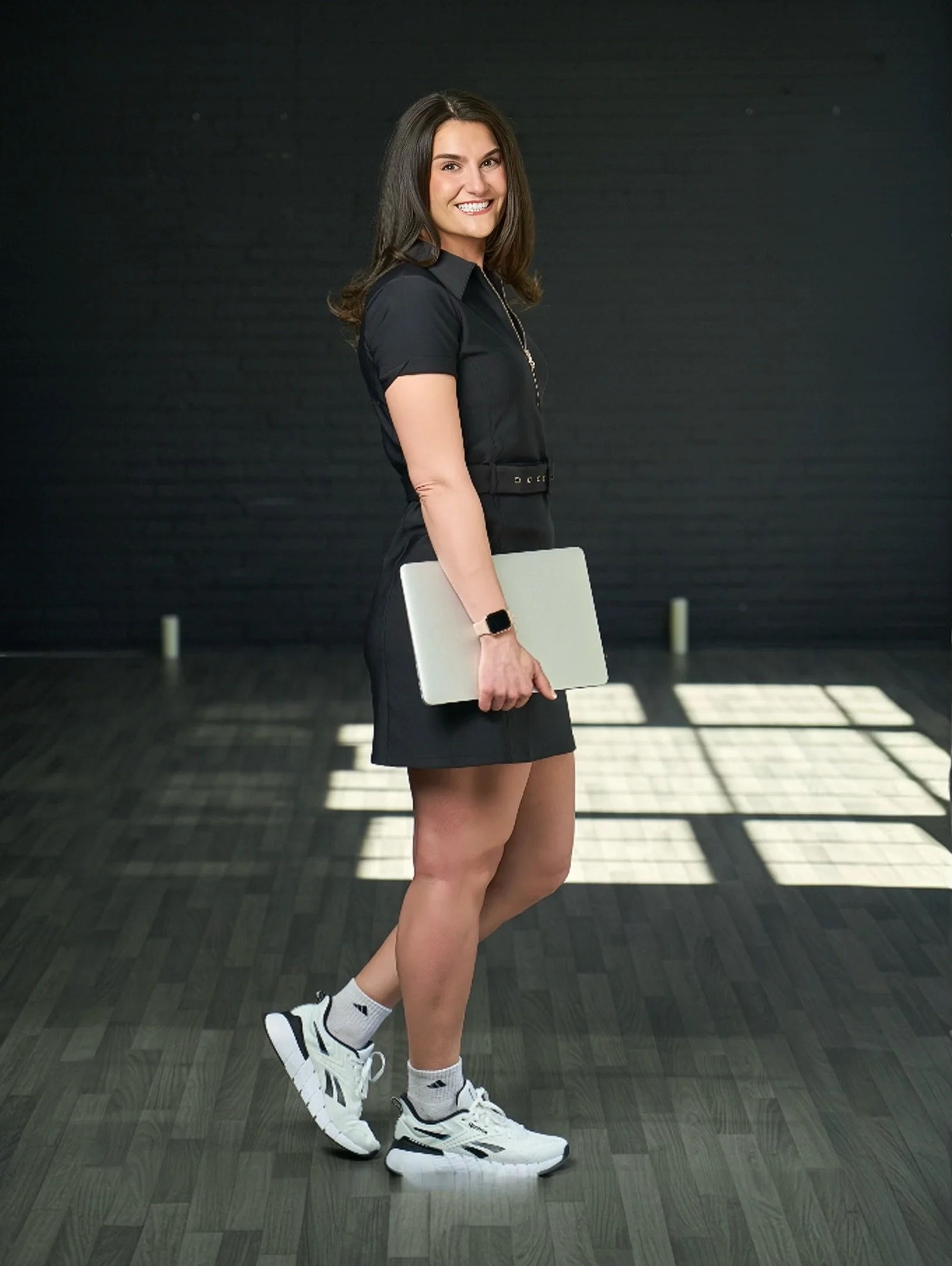
My name is Olivia Papakyrikos, and I am a Boston-based therapist and sport psychology consultant working with athletes and high performers through my practice, Papakyrikos Therapy & Performance. I also consult with Division I athletic departments, helping address the wellness and performance needs of their athletes. My lived experience as a collegiate field hockey player ultimately led me to this work after navigating firsthand the many pressures and challenges that come with sport.
There are two stories that have stayed with me from my time as an athlete. One happened during my sophomore year of high school. I had a close relationship with my field hockey coach. One afternoon, I walked into her classroom and she greeted me the way she always did: "Olivia, how are you?"
Like clockwork, I replied, "I'm fine, Coach. How are you?"
She paused, looked at me, and asked again, "Olivia, how are you?"
That was all it took. Tears started streaming down my face, because things did not feel fine.
I was exhausted from balancing school and sports and from the pressure of feeling like I had to do it all perfectly. I was exhausted from the pressure to always perform at my best, get good grades, be a good leader, maintain my social life, and stay up to date on social media while still somehow getting eight hours of sleep.
I felt like I had to be perfect all the time. I was constantly striving, constantly producing, and constantly trying to prove that I could handle it all.
Looking back, that's an enormous amount for anyone to carry. Yet many athletes grow up in environments that reinforce the idea that toughness means pushing through, staying quiet, and never showing weakness. We become very good at saying, "I'm fine," even when we're struggling.
What stands out to me now isn't just the pressure I was carrying. It's the fact that my coach noticed. She cared enough to ask twice.
That moment taught me something I now emphasize with the athletes I work with every day: relationships matter. Sometimes the difference between someone struggling in silence and getting support is simply having one person who is willing to slow down, pay attention, and ask twice.
A few years later, during my sophomore year of college, I learned another lesson about support.
I had recently undergone my second surgery on both legs and had returned to campus on crutches. Physically, I was exhausted. Emotionally, I was overwhelmed. I was trying to maintain
the same pace and expectations I had before surgery, even though everything now required significantly more effort.
One day, my two best friends and I were grocery shopping. I wandered off to grab something and dropped an apple on the floor. Frustrated and tired of constantly needing help, I maneuvered down onto the dirty floor to pick it up.
But once I got down, I didn’t get up. I just stayed on the floor, tearing up. The stress, exhaustion, and pressure of trying to hold everything together finally caught up with me.
When my friends looked over and saw me sitting on the grocery store floor, they didn't tell me to get up. They didn't judge me. They didn't try to fix it.
They simply came over and sat down next to me.
Eventually, we laughed because the reality was pretty absurd—we were sitting on a dirty grocery store floor. But what I remember most is that they met me exactly where I was.
At the time, I didn't realize how meaningful that moment would become. Looking back, it perfectly captures what support often looks like. It's not always about having the right words or solving the problem. Sometimes it's about sitting beside someone in a difficult moment and reminding them they don't have to carry it alone.
As both a clinician and a former athlete, these experiences continue to shape how I think about mental health, performance, and resilience. They taught me something I now share with the athletes and high performers I work with every day: struggling doesn't make you weak. It makes you human.
The strongest people aren't the ones who never struggle. They're the ones who learn that asking for help, accepting support, and allowing others to show up for them is part of what makes sustained success possible.