273 Days: The Season That Almost Took Me
By Maria Perez | @maria.belen._perez
Nine months.
Thirty-nine weeks.
Two hundred and seventy-three days since my body — and honestly, my mind — lost their sense of purpose.
It started with one pitch.
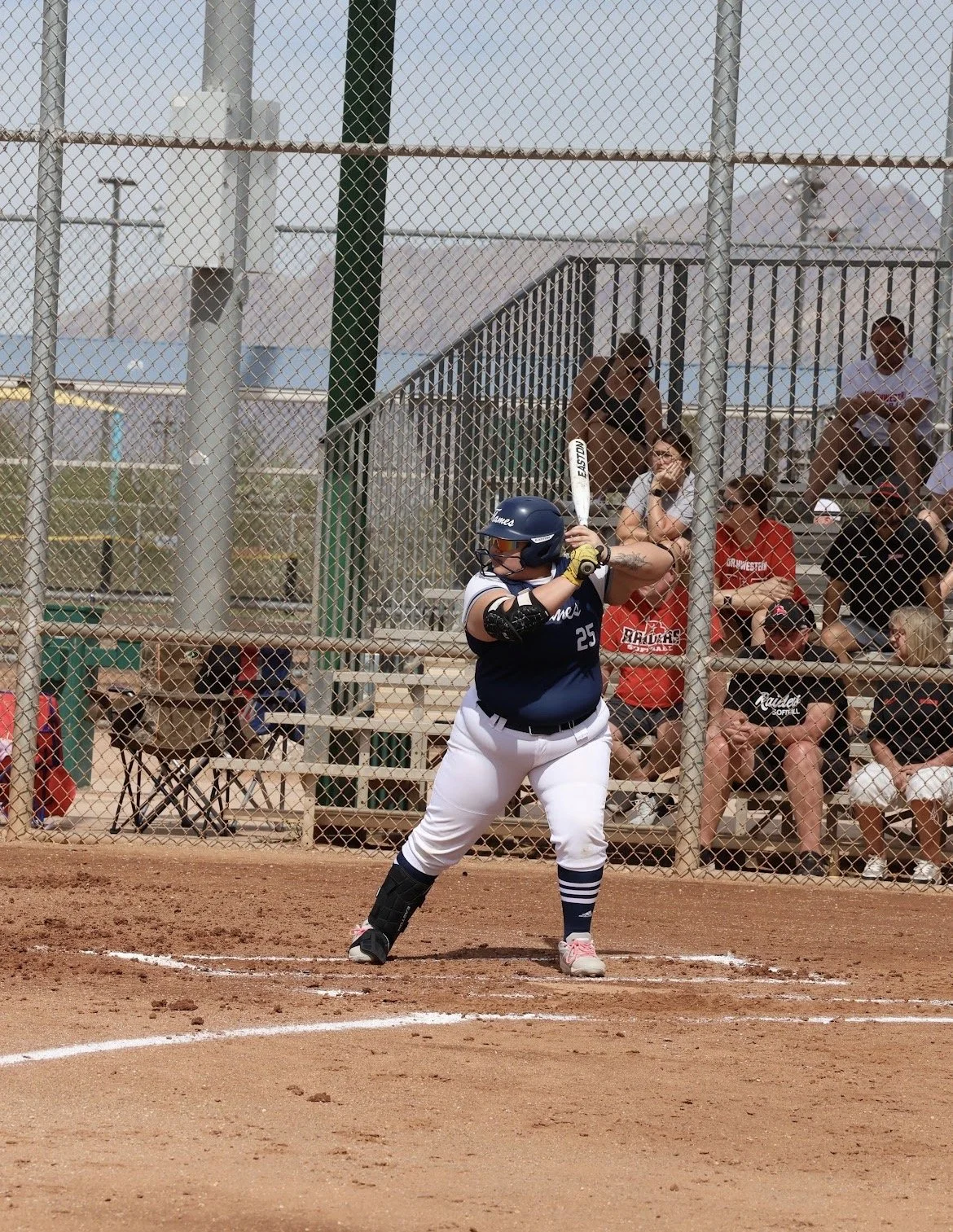
A softball traveling over 75 miles per hour slammed directly into my foot during an at-bat. The moment I hit the ground, I knew something was wrong. But I got back up. I finished the game.
Not because I was okay.
Because my parents were there.
It was the first time they had watched me play during my sophomore collegiate season, and I refused to let pain take that moment away from them. Looking back now, it was probably the worst decision I could have made.
Three days later, I couldn’t walk.
I couldn’t sleep.
I could barely eat.
My foot had turned black with bruising, swollen beyond recognition, and fractured. But by then, the damage had already become something bigger than a broken bone.
I was told I’d be out for six weeks.
So I did the six weeks.
A boot. A scooter. Constant pain.
At the end of those six weeks, nothing had improved. I told my doctor the pain was still unbearable, so we added five more weeks. Five more weeks of watching my teammates practice while I sat on the sidelines feeling trapped inside my own body.
After eleven weeks, even my doctor knew something else was wrong.
That’s when I was introduced to a diagnosis I had never heard before: Complex Regional Pain Syndrome.
CRPS.
A chronic pain condition that can develop after an injury. A condition where the body continues sending pain signals long after the injury should have healed.
I remember sitting in that appointment while my doctor explained the condition and treatment options. She was kind, honest, and compassionate. But then she said something that echoed in my mind for months afterward:
“This pain could last the rest of your life.”
And all I could think was:
*Does this mean softball is over for me?*
But I never asked the question out loud. Maybe because I was scared of the answer.
Instead, I listened to the treatment plan.
By January, my doctor scheduled a nerve block procedure just four days before the start of our season. I had the procedure done, and afterward she medically cleared me to play.
Everyone around me saw “cleared.”
But inside my head, all I heard was:
*You aren’t ready.*
*You are still hurt.*
The anxiety consumed me. Mind, body, and soul.
But athletes are taught to push through pain. So I did what I had always done — I kept going.
I prayed constantly that the nerve block would finally kick in. That maybe one morning I’d wake up and feel normal again.
It never did.
So we tried medications. Then another medication. Then another.
At that point, I was already taking antidepressants and anti-anxiety medication, and no one really knew how all of it was interacting together. But I kept playing. I kept smiling for teammates, showing up to practice, pretending I was mentally stronger than I actually was.
At night, though, my body would beg me to stop.
Eventually, I told my doctor I was exhausted. I needed something different — not more pills. So we scheduled another procedure that was supposed to help fix the pain.
But while waiting those six weeks for surgery, everything spiraled.
The medications started making me violently sick. I was throwing up constantly. The migraines became unbearable. So I was told to stop taking everything immediately.
Within 85 hours, my mental health went from manageable to life-threatening.
I don’t remember every detail clearly. What I do remember is waking up in a hospital bed, barely conscious, hearing someone ask:
“Why would you try to hurt yourself?”
On one side of me was my best friend.
On the other side was my coach, who is like my second mother.
And in that moment, reality finally hit me.
I had almost lost a battle I had been silently fighting for four years.
Not just the battle with pain.
Not just the battle with injury.
The battle with my own mind.
For so long, I had convinced myself that being strong meant staying quiet. That if I just kept performing, kept smiling, kept pushing through, eventually things would get better.
But strength is not pretending you’re okay when you’re falling apart.
Strength is admitting when you need help.
And thankfully, I got that help.
The nurses, doctors, psychiatrists, and healthcare workers who cared for me during that time truly saved my life. They reminded me that healing is not weakness, and that surviving is something to be proud of.
A few days later, with only three weeks left in the season, I sat down with my coach and told her something I never wanted to say:
“My season is over.”
And honestly?
I thought saying those words would break me.
But instead, it gave me room to rebuild.
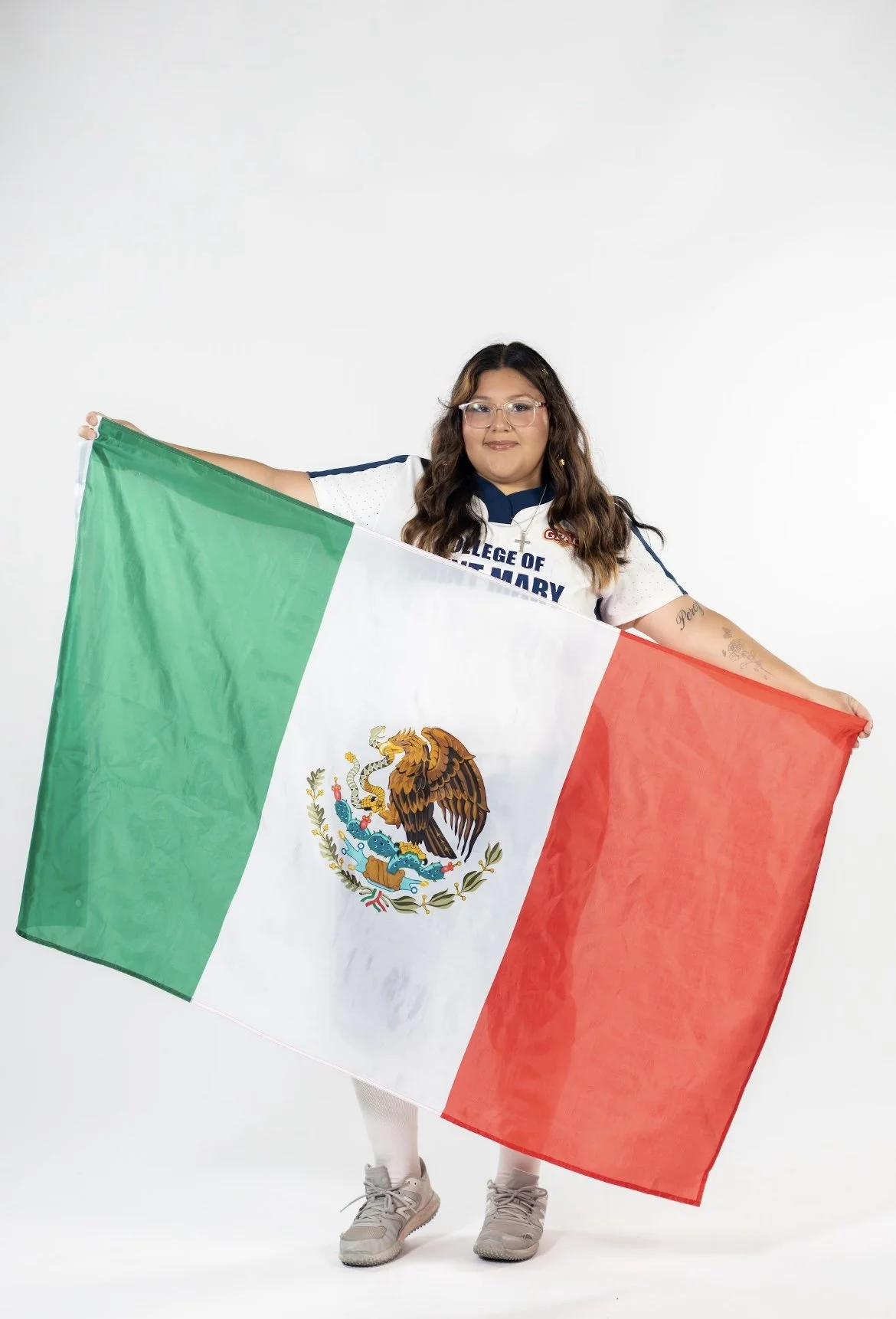
Since I couldn’t fight beside my teammates on the field anymore, I decided I would fight for them in other ways. I became their loudest cheerleader. I poured myself into leadership. I focused on growing our Morgan's Message chapter, where I serve as president, helping create conversations around athlete mental health so fewer people feel alone in silence the way I did.
Then, almost one month later, I finally had the procedure.
And for the first time in a very long time, I felt something I hadn’t felt in months:
Hope.
Not because everything was magically fixed.
Not because the pain instantly disappeared.
But because I finally realized this injury did not get to define the rest of my story.
For months, I believed my life had stopped the moment that softball hit my foot.
But now I understand something different.
This was never the ending of my story.
It was the beginning of a new chapter.
One where healing matters more than hiding pain.
One where vulnerability becomes strength.
One where surviving becomes purpose.
And maybe that’s what recovery really is.
Not becoming the person you were before —
but learning how to become someone even stronger after everything tried to break you.