
The Girl Behind the Scorecard
By Mackenzie Crossman | IG: @mackgolfs
The first thing I remember is the sound. Not the wind moving through the trees. Not my teammates talking in the distance. Not even the ball leaving the clubface. The sound. A sharp, sickening noise that came from my wrist the moment I swung the club. It was the last tournament of the fall. A normal day in every way. The kind of day that should have blended into the hundreds of other rounds I’ve played in my life. But that swing changed everything. Pain shot through my wrist so quickly it took my breath away. I remember staring down at my hand, almost waiting for it to explain itself. Athletes are trained to push through pain. So that’s what I tried to do. Shake it off. Swing again. Pretend nothing happened. But deep down, there was a quiet voice inside me whispering something I didn’t want to hear. Something is wrong. And the scariest part wasn’t the pain. It was the feeling that something I had built my entire life around might suddenly disappear.
Golf has been part of my life since I was six years old. It started with a flyer that came home from school offering free golf lessons. My great-grandfather had played, so my family thought it might be something fun for me to try. At six years old, I didn’t understand the complexity of golf. I didn’t understand pressure or expectations or what it meant to chase something for years. I just loved it. I loved the quiet of the course in the early morning. I loved the feeling of hitting one perfect shot after hitting twenty bad ones. I loved traveling to tournaments and meeting friends who understood the strange, frustrating, beautiful game we all loved. The funny thing is, I didn’t win very much when I first started. But that never mattered. Because I was never chasing trophies. I was chasing the feeling. The challenge. The growth. The dream.
When I was eight years old, I watched the NC State women’s golf team practicing. I remember standing there, watching them move across the range like they belonged there. Confident. Focused. Strong. And I remember thinking something that probably sounded ridiculous coming from an eight-year-old kid. I want to do that. I want to play college golf. From that moment on, the dream never left. Golf stopped being something I did. It became part of who I was. Early mornings, long afternoons on the range, car rides that lasted hours just to play one round. I missed parties. I missed sleepovers. I missed the kind of weekends most teenagers have. But I never regretted it. Because every swing felt like it was bringing me closer to the dream that little girl had whispered to herself on a driving range years earlier.
Committing to play golf at Barton College felt like the moment everything made sense. All the sacrifices. All the early mornings. All the doubts. They had led me here. It meant the dream I had carried for years had actually become real. I wasn’t just the little kid watching college golfers anymore. I was one of them. And for a while, everything felt exactly the way it was supposed to. Until my freshman year.
The pain in my knee started slowly. At first, it was easy to ignore. Athletes learn to live with soreness. You tape it, stretch it, ice it, and keep going. So that’s what I did. Until one morning, I woke up and couldn’t bend my knee without pain shooting through it. Suddenly, surgery became part of the conversation. I remember feeling scared. Not just because of the surgery. But because I was terrified of falling behind. Terrified that missing time would change everything I had worked for. So I attacked rehab with everything I had. Day after day in the training room. Exercises that made my muscles shake. Ice. Stretch. Repeat. I pushed myself harder than anyone expected. And I came back. I only missed one tournament that freshman year. Just one. When spring and summer came, I worked harder than I ever had in my life. Because I was determined to prove something, to myself, to my coaches, to everyone watching. That injury didn’t define me. I was ready for the next season. Or at least I thought I was.
The wrist pain started quietly. Just an ache at first. Something I could ignore. But the ache didn’t go away. It got worse. Soon, gripping a club hurt. Then swinging hurt. Then even simple things like turning a doorknob hurt. Then came the tournament. The swing. The sound. And the moment everything stopped. Doctor's appointments turned into more doctor's appointments. One opinion turned into another. Then came the specialist. I remember sitting in that office when the doctor finally said the words that made my stomach drop. “You’re going to need surgery.” Just like that, the entire spring season was gone. I walked out of the office in a strange kind of silence. Not outside. Inside. I got in my car and just sat there staring at the steering wheel. And in that moment, I made a joke to myself. “Well… I guess I’m a NARP now.” A non-athletic regular person. Athletes joke about that all the time. But suddenly it wasn’t funny. Because I didn’t know who I was without the sport I had spent fifteen years chasing.
This is the part people didn’t see. Depression didn’t arrive like a storm. It crept in slowly. Quietly. At first, it looked like exhaustion. Then it became something heavier. Getting out of bed felt impossible some mornings. My appetite disappeared. There were days I barely ate unless someone reminded me. Anxiety sat in my chest like a constant weight. My mind raced with questions that had no answers. Why me? Why now? What did I do to deserve this? And the scariest question of all: Who am I if I’m not a golfer? I was surrounded by friends who loved me. Teammates. Family. People who genuinely cared. But I felt completely alone. Because I didn’t want anyone to see how bad things had gotten. So I smiled. I laughed. I told everyone I was fine. But inside, I felt like I was disappearing. There were nights I would lie awake staring at the ceiling thinking about how tired I was. Not physically. Emotionally. Spiritually. Mentally. There were moments that scared me. Moments where I realized I didn’t care if something happened to me. Not that I wanted it. But if a car hit me tomorrow… I didn’t know if I would care. And realizing that terrified me. Because that wasn’t the girl who had fallen in love with golf when she was six years old. When golf disappeared, it felt like someone had erased the biggest part of who I was.
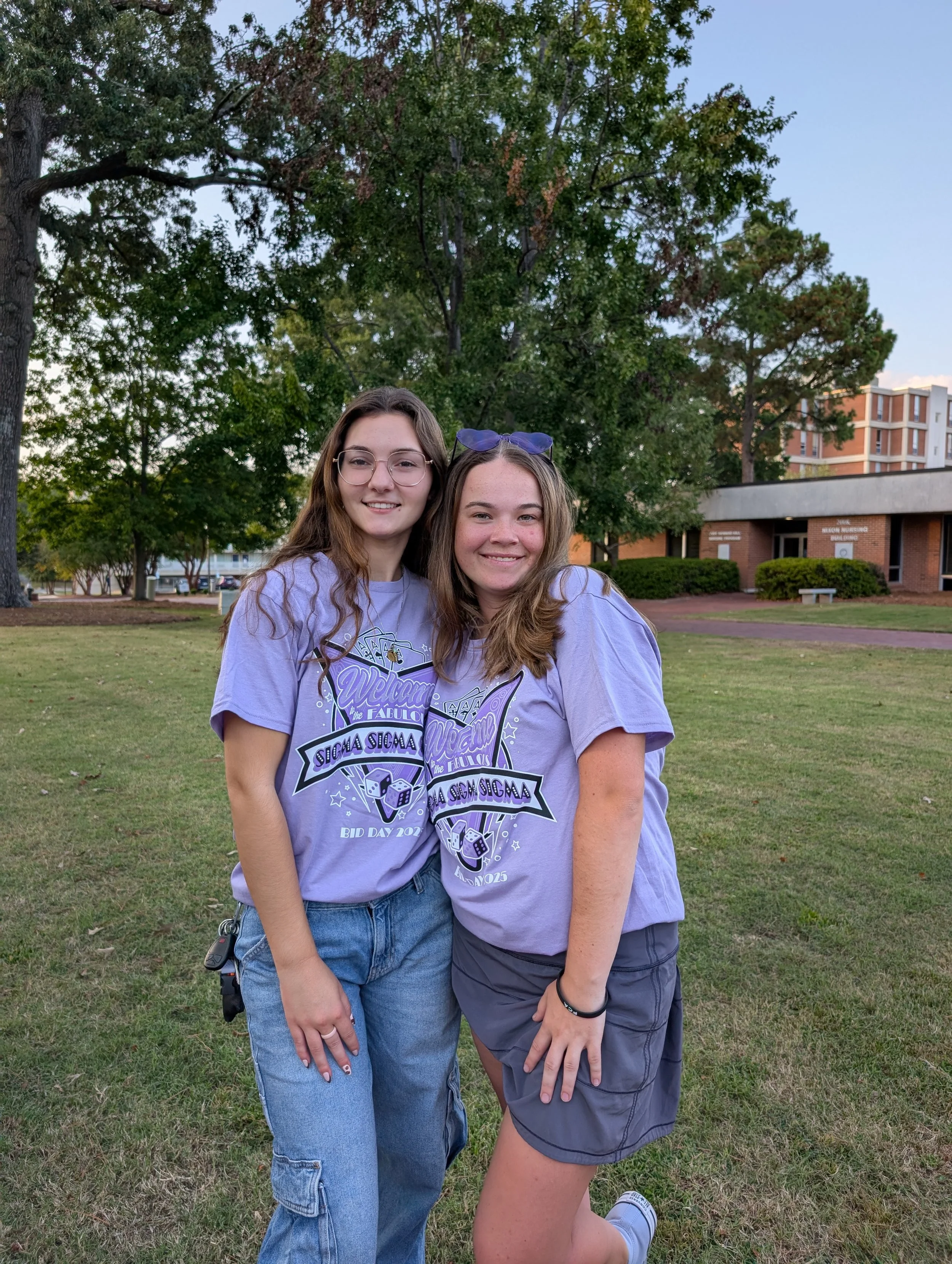
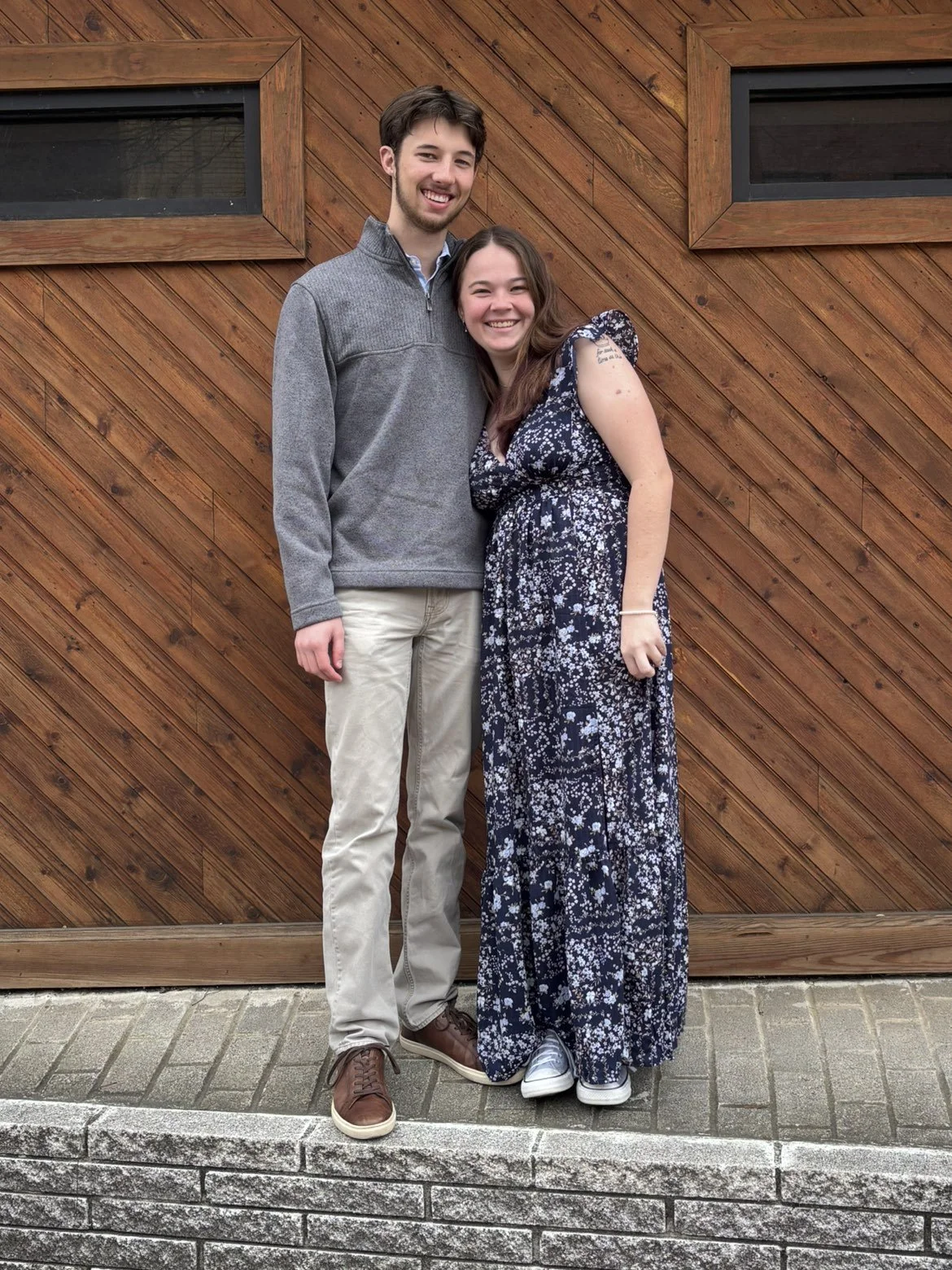
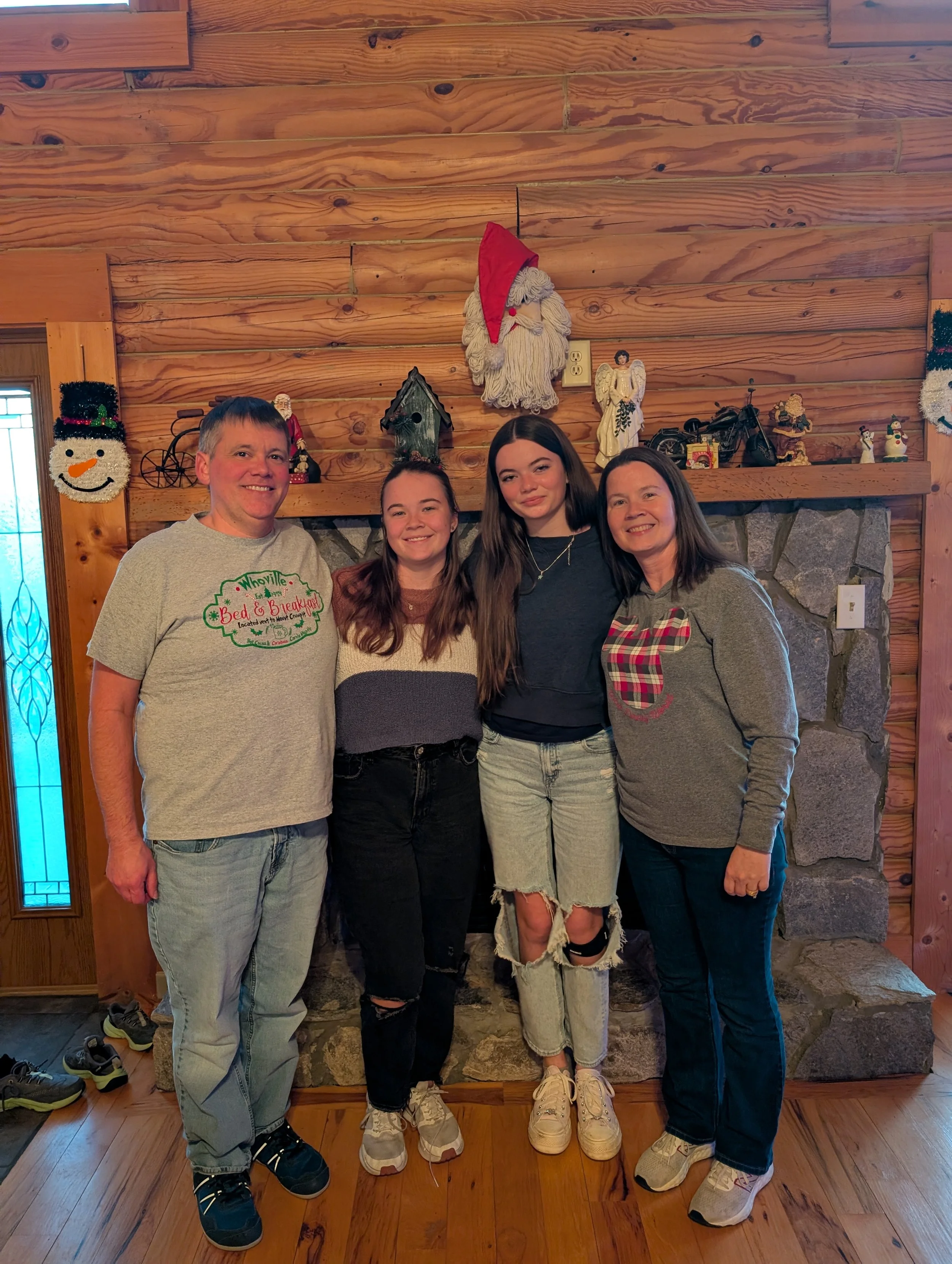
But the truth is… There were always other parts of me. I just hadn’t stopped long enough to see them. I’m a daughter who wants to make her parents proud. I’m an older sister who hopes her sibling knows how much I love her. I’m a Tri Sigma sorority sister surrounded by women who remind me I belong even when I’m struggling. I’m a girlfriend who is learning that I don’t need to be perfect all the time to be loved. I’m a friend who loves late-night talks and blasting music in the car. Those parts of me existed long before golf. I just didn’t know how to see them yet.
The moment everything changed came at FCA Winterblast. A speaker was sharing his story. At first, I was just listening like everyone else in the room. Then he started describing a moment in his life where everything felt hopeless. He talked about depression. He talked about feeling like he had no purpose. Then he shared something that made the room go silent. He talked about attempting to take his own life. And hearing that made my stomach drop. Because when he started describing how he felt before that moment… it sounded exactly like the thoughts that had been living in my head. The numbness. The exhaustion. The feeling of not caring if something happened to you. And suddenly I realized something terrifying. If I kept pretending I was fine… my story could end in a place I never wanted it to go. When the talk ended, I ran out of the room. A girl named Josie followed me. She asked if I was okay. And for the first time in months, I stopped pretending. Everything came out. The depression. The anxiety. The fear. The identity crisis. I cried harder than I had cried in years. And for the first time in a long time, I felt like someone actually saw me.
During all of this, my faith felt complicated. I had always believed God had a plan. But I struggled to understand why that plan included so much pain. Why the knee injury? Why the wrist injury? Why did it feel like everything I loved was being taken away? But slowly, through conversations and prayer and moments I can’t fully explain, I started to realize, maybe my story isn’t about the injuries. Maybe it’s about the honesty. Maybe it’s about telling other athletes they’re not alone. Maybe it’s about reminding people that struggling doesn’t mean your faith is broken. Sometimes it just means you’re human.
My name is Mackenzie. I play golf at Barton College. And for a long time, I thought that sentence defined me. I thought my value lived somewhere between birdies and bogeys. Between tournament scores and starting lineups. Between success and failure. But the truth is, I am so much more than that. I’m a daughter who laughs too loudly when she’s with her family. I’m a big sister who wants to set an example even when I feel like I’m falling apart. I’m a Tri Sigma sister who found a family that loves me on my best days and on my worst. I’m a girlfriend learning what it means to be loved for who I am, not what I accomplish. I’m a friend who will always show up for the people she cares about. I’m someone who still believes God is writing a story even when I can’t see the next chapter. Golf is something I love. But it is not what gives my life meaning. Because if the game disappeared tomorrow… If the clubs stayed in the garage forever… If my comeback never happens the way I dream it will… I would still matter. Because I am more than a season. More than a scholarship. More than a comeback story. I am someone who fought through depression and kept breathing. Someone who faced anxiety and kept going. Someone who learned that strength isn’t pretending you’re okay. Strength is telling the truth when you’re not. And maybe that’s the real victory. Not the trophies. Not the scorecards. But the fact that even in my darkest moments, when I felt broken, lost, and completely alone, I didn’t disappear. I’m still here.
And that matters more than any game ever could.