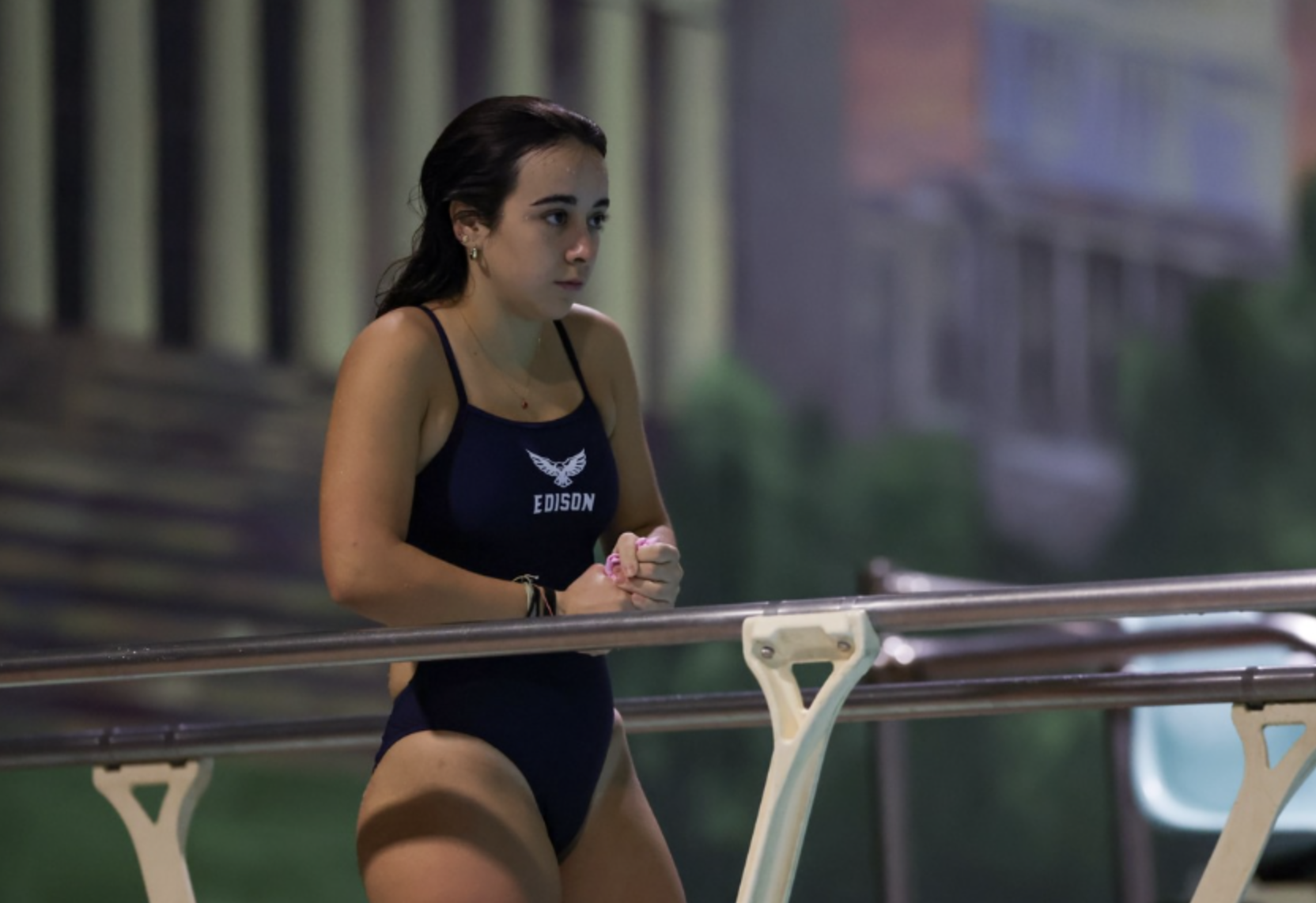
My Injury Didn’t Bench My Voice
By Gaby Thomas | IG: @gabypig101
I used to think seven was my lucky number, until it wasn’t. Seven stitches on my ankle, seven medications to take, seven months until I’d be fully healed, or so I was told. May 16, 2015. I can still remember running across the gym, playing tag when I felt a slight push on my back. “Tag!” my friend said, but instead of laughter, screams came out as I crashed to the ground. I was only seven when I first injured my ankle. Now, as a seventeen-year-old, I am faced with the difficult choice that seven-year-old me never thought would happen from just a “sprained ankle.” Get surgery again and hope it’ll be over, or endure the pain I once never had to feel.
Recovery came in waves, some days manageable, others overwhelming. The pain lingered long after my bruises and cuts had faded. My athletic abilities were questioned every day. I was asked if I even liked the sports I was playing and if this injury was just an excuse not to play. When in reality I sat on the bench every game, aching to jump in, but the boot on my ankle and the tape on my knee made even standing feel impossible. Despite pushing through the pain, doubts from teammates and coaches about my injury grew louder until one day, my body gave out. My ligament had finally given out, and surgery was the only option. Not knowing if I would ever play sports again was all I could think about.
As I nervously waited on a white-sheeted medical bed, the bright hospital lights shining down on me, shaking with nervous anticipation about what was to come, I saw a friendly face appeared around the corner. It turned out to be my anesthesiologist. She reassured me during my pre-op, explaining every step, calming my fears with both knowledge and compassion.
She showed me the kind of doctor I aspire to be: someone who cares not just for the body but also for the mind. Now, I see medicine not just as a career but as a way to heal others, as I once needed healing. That moment helped me realize that I want to be that calm presence for someone else one day. The recovery process was hard, but without it, I would have never learned how much mental health has to do with physical health.
As my body healed, I realized that the hardest part hadn’t been physical—it was the feeling of isolation. I started to open up to my peers about how I was feeling mentally and physically and found out they were also burned out and dealing with struggles of their own. I wanted to do more though. I wanted to make sure others didn’t feel what I once did—alone and pressured to always be ‘strong’ for someone. I decided to become a mental health ambassador, using my platform to tell my story and provide mental health resources. Soon, athletic mental health accounts, such as Morgan's Message and Behind the Athlete, started reaching out to me to become ambassadors for their accounts, allowing me to reach a larger audience of student-athletes who were struggling with similar issues. This helped me learn to lead and talk to different people around the world. I reached student-athletes across states and countries, sharing my story and helping others overcome their injuries. At 7, my ankle defined my limits. At 17, it has defined my strength. What began as my greatest setback has become the foundation for my future, a future where I turn pain into purpose.